
What are the first signs a septic tank needs pumping?
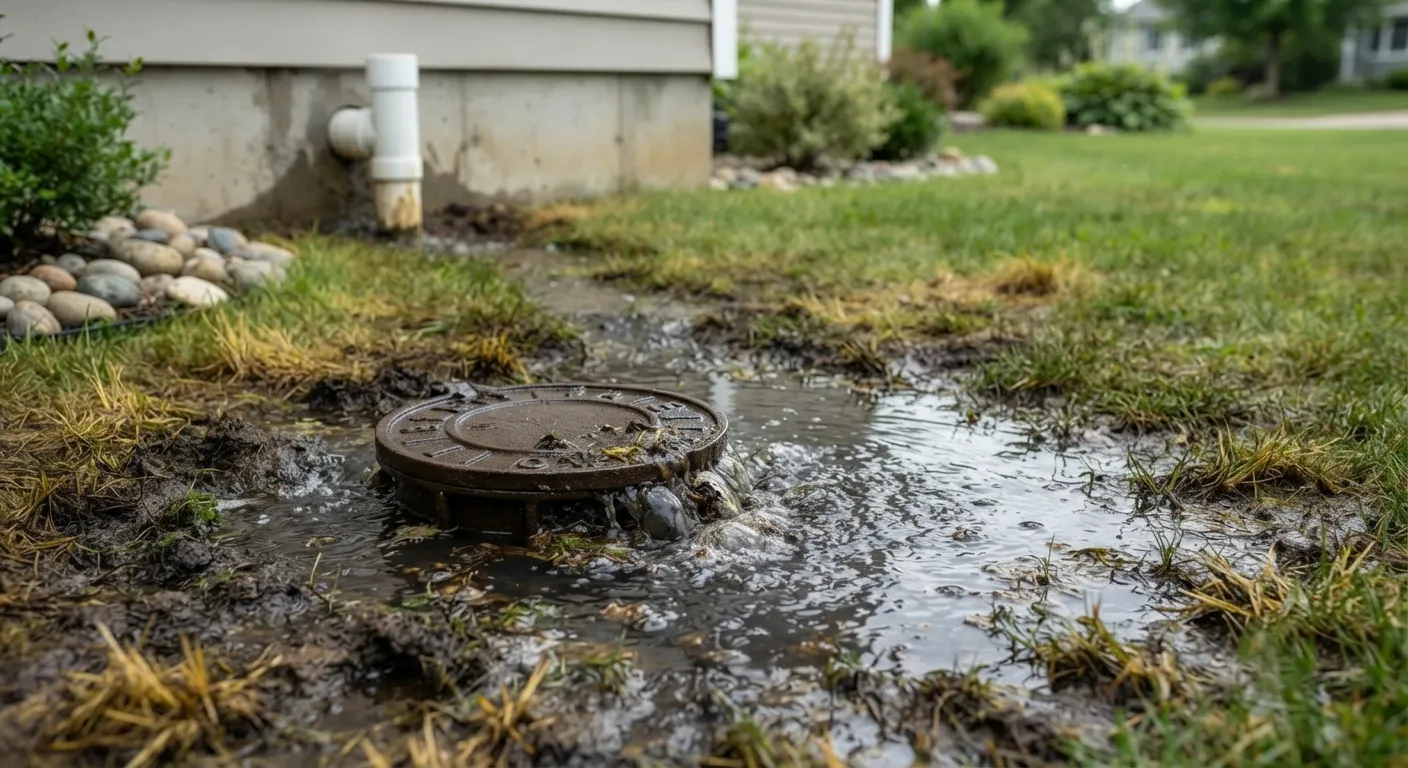
Slow drains in more than one fixture at once is the classic tell. If the kitchen sink backs up when someone flushes upstairs, the tank or the line between the house and the tank is full or blocked. Gurgling sounds from toilets or tub drains mean air is trapped where it should not be, usually because wastewater cannot flow out freely, a symptom worth comparing against how do porta potties work if you are trying to understand tank venting in general. Watch the yard too: soggy, spongy ground over the drain field, especially after dry weather, points to a tank that is overflowing into the soil instead of draining through it properly. A sulfur or rotten-egg smell near the tank lid or anywhere in the yard is wastewater gas escaping through ground that is not sealed the way it should be. Any of these on their own is worth a call, and if the property also runs portable restroom rental units for a renovation crew, the same slow-drain logic applies to those tanks too. Two or more together usually means the tank needs pumping now, not next month, the same urgency a porta john rental needs once a unit starts backing up on a job site. Lakewood households on individual systems should treat a service visit the way they treat brake pads, on a schedule instead of waiting for the pedal to feel wrong. If you are not sure how often your tank should be serviced, how often to pump a septic tank walks through the sizing math. Homeowners who have never had it done can start at septic pumping service for what a visit actually involves, and septic tank pumping cost has the numbers most people ask for first.
Why does my yard smell near the septic tank?
A tank vents gas through the soil once it is full enough, and that smell is the earliest outdoor warning most people get. It usually shows up before the grass over the drain field turns bright green in a stripe, which is another sign of a system pushing effluent too close to the surface. Bright, fast-growing grass over the leach field in an otherwise normal lawn is nitrogen-rich wastewater feeding the roots from below. Standing water, mud, or a spot that never quite dries out after rain is a step past that: the soil cannot absorb any more, so it is pooling. None of this is cosmetic, and the same principle applies to a rented standard porta potty rental unit that starts smelling before its scheduled service. A saturated drain field can take a system out of service for weeks if it is not caught, and Lakewood's clay-heavy soils in parts of the city drain slower than sandy ground, so warning signs can show up faster once a tank is truly full. If your property has a grease interceptor from a restaurant build-out or an ADU kitchen, know that those get pumped once fats, oils, grease and solids reach 25 percent of the liquid depth, a different trigger than a household tank. Grease trap pumping covers that separately from residential septic work, and a food truck or event kitchen renting a portable sink rental station faces a similar buildup schedule. For general system cleaning beyond a straight pump-out, see septic tank cleaning, and pair it with a handwashing station rental if the repair crew needs sanitation on site during the work.
Do I need a permit or inspection before pumping?
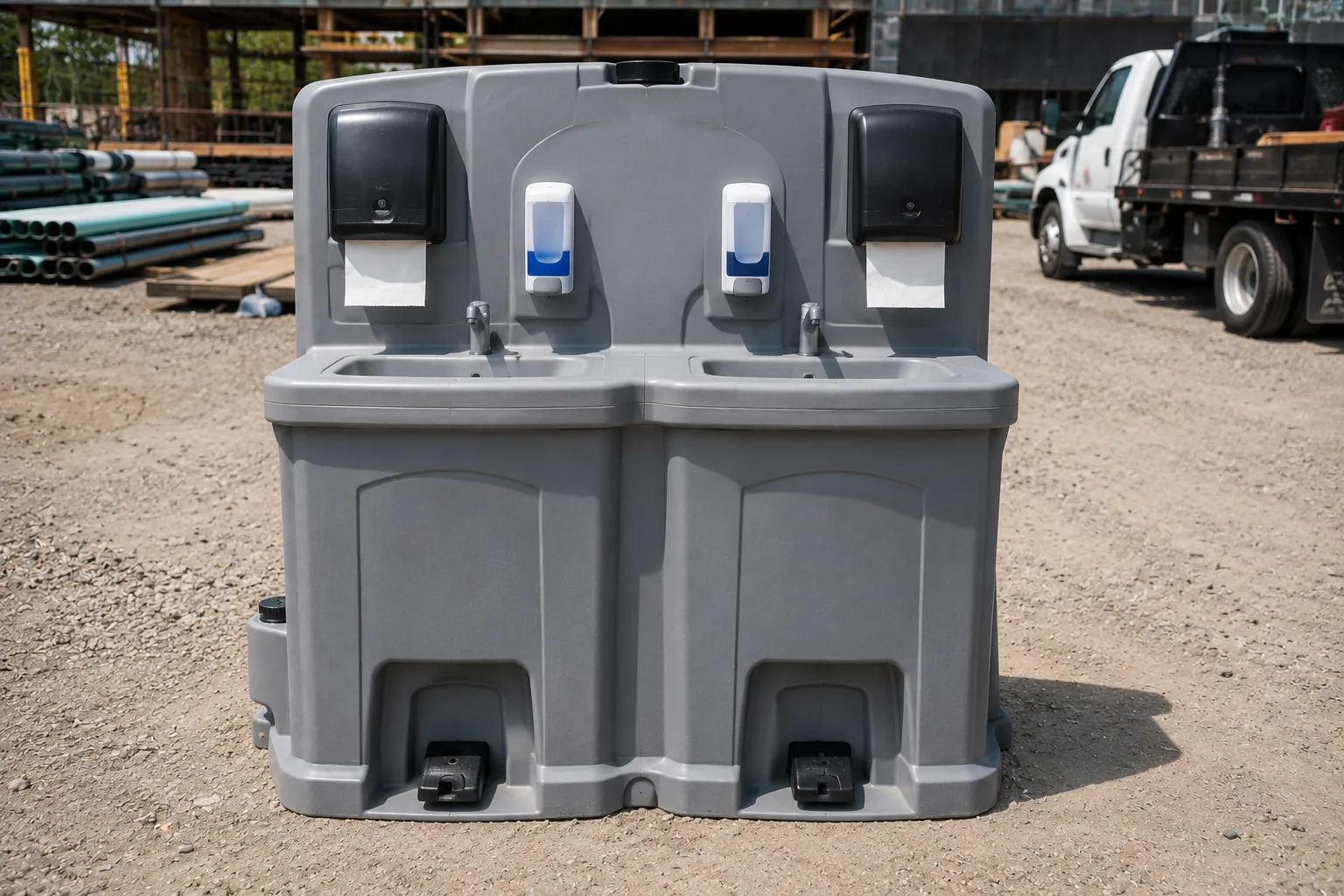
That depends on your situation, and it is not something to guess at. Some municipal and county rules require documentation of pump-outs or inspections tied to a property sale, but Lakewood's specific permit and inspection requirements for septic work need confirming with the city rather than assumed from a general rule. Call before you schedule if you are selling a house or adding square footage that changes fixture count, and check porta potty permit requirements if the same project needs a unit placed in the right of way. What is well established, separate from local permitting, is the federal baseline for any hand-labor site running portable sanitation alongside septic work: OSHA 1928.110 sets one field sanitation facility per 20 employees within a quarter mile walk for agricultural operations, which matters for farms around Lakewood running both a septic system and portable units. Construction crews doing site work near a failing septic system have their own toilet-count rule under OSHA 1926.51(c)(1), one facility for 20 workers or fewer, scaling up from there, a rule covered in full on OSHA portable toilet requirements. If your property needs a temporary bathroom while a system is repaired, look at emergency septic service or a short-term unit through emergency porta potty rental, and check porta potty rental cost or porta potty rental per day to compare against a longer holding tank rental.
Should I use a holding tank while my septic is repaired?
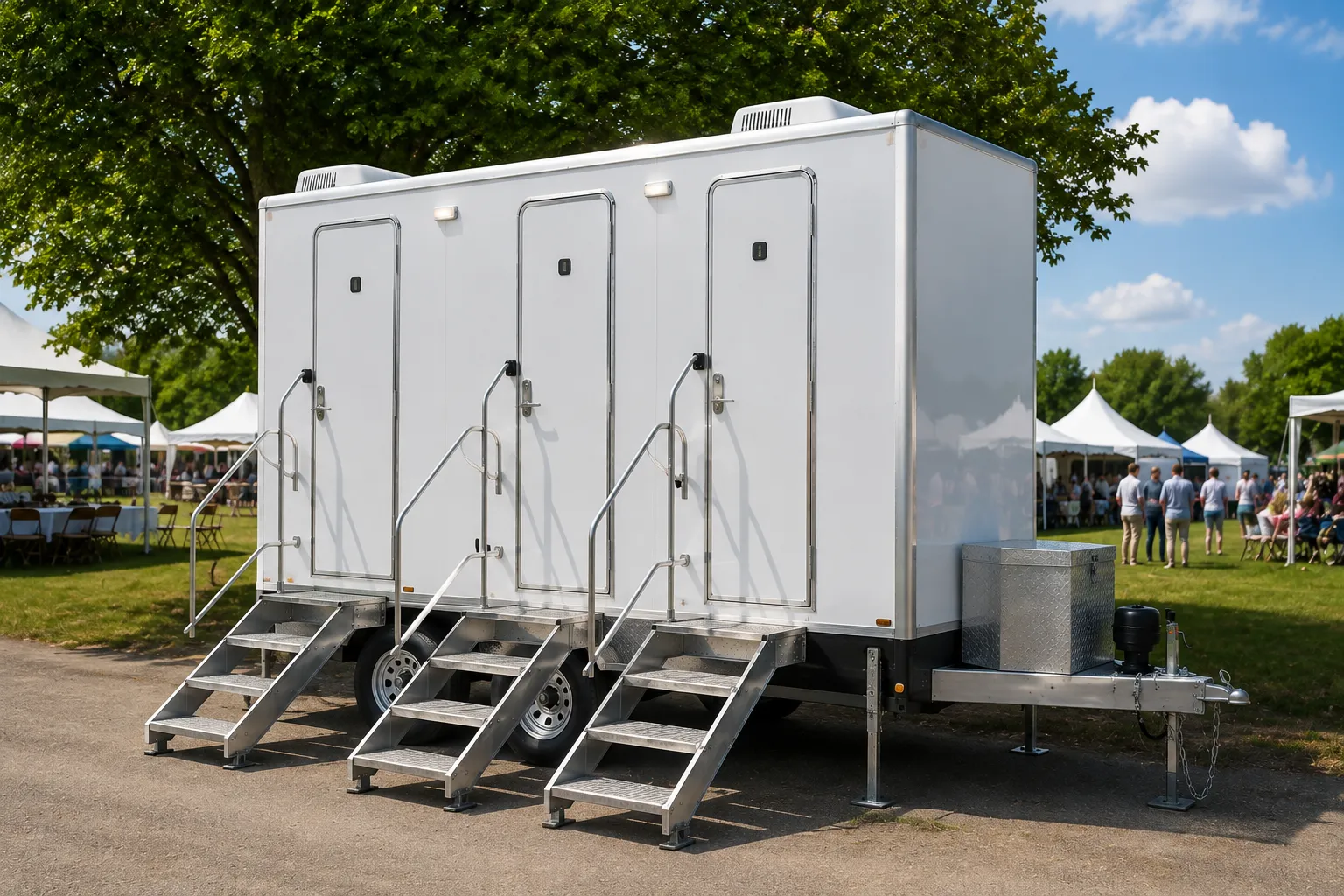
Yes, if the repair takes more than a day or the house has no working bathroom in the meantime. A rented holding tank keeps a household or job site functioning while the actual system is pumped, inspected, or dug up for a repair, similar to how a portable toilet rental or ADA accessible porta potty fills the gap for a household with an accessibility need. Daily septic pumping service in Lakewood runs from about 150 to 300 dollars depending on tank access and volume, and a weekend visit for a smaller job runs closer to 50 to 150 dollars. For a longer repair window, holding tank rental is worth pricing out against paying for extra emergency visits, and monthly porta potty rental pricing is a useful comparison for a repair that drags past a few weeks. Homeowners 5.8 miles north in Wheat Ridge or 9.2 miles northwest in Golden face the same clay-soil drainage patterns, so the warning signs described here apply the same way outside city limits. If you are building or renovating and want to avoid straining an old system with extra water use, home renovation porta potty keeps crew sanitation off the house system entirely.
| service | duration | typical price |
|---|---|---|
| septic pumping | day | $250 |
| septic pumping | weekend | $100 |
How do I know if it's my septic tank or just a clogged drain?
One slow drain is usually a clog. Multiple slow drains, gurgling in more than one fixture, or a smell outside near the tank point to the septic system itself, not a single pipe.
How much does it cost to pump a septic tank in Lakewood?
A standard pump-out during the week runs about 150 to 300 dollars depending on access and tank size. Weekend visits run 50 to 150 dollars for smaller jobs. See septic tank pumping cost for the full breakdown.
Can I pump my own septic tank?
Cornerstone Porta Potty does not recommend it. Tanks hold gases that are dangerous in enclosed or low-airflow spaces, and proper disposal of pumped waste requires equipment most homeowners do not have.
What happens if I ignore the warning signs?
The drain field can saturate fully, backing wastewater into the house through the lowest drains. At that point the fix is a field repair or replacement, not a simple pump-out, and the cost difference is significant.
Does a full septic tank affect my water use?
Yes. A tank at capacity slows every drain in the house, and heavy laundry or shower days can push a nearly-full tank into backup faster than a light-use week would.
Next step
Get a delivery date
Tell us the address, the dates and the headcount. We size the order and confirm the route.